Opening an indoor playground seems simple from the outside—rent a space, buy some equipment, and children will come. But after working with thousands of global investors over 17 years, Luckyplay can confirm:
Indoor playgrounds only look easy.
But they are, in fact, a highly professional commercial investment with complex variables.
Most project failures do not come from market issues—they come from avoidable mistakes made during the planning, design, or execution phase.
Below are the 10 most common mistakes new investors make, why they happen, and how to avoid them using industry best practices.
Many beginners focus on rent per square meter instead of the commercial value of the location.
Natural footfall vs. passive footfall
Visibility from main corridors
Density of families with children
Competition & complementary businesses
Parking convenience
Mall zoning (F&B zone ≠ children zone)
A low-rent location with 30% traffic often performs worse than a higher-rent area with consistent flow.
A profitable playground is built on traffic quality, not rent savings.
Many new investors calculate only the equipment cost and ignore the “hidden majority.”
Equipment: $160–$400/m² (Luckyplay commercial grade)
Interior construction: often equals or exceeds equipment cost
HVAC capacity upgrade
Flooring, electricity, lighting, fire safety
POS/cashier systems
Staff training, pre-opening marketing
Safety inspection and compliance costs
Operational reserves for 3–6 months
Realistic total investment = 1.5–2× equipment cost.
New investors often run into budget shortages because they underestimate these essential items.
The biggest mistake we see every month.
Some factories offer $80–$120/m², but experienced investors know this is unsustainable.
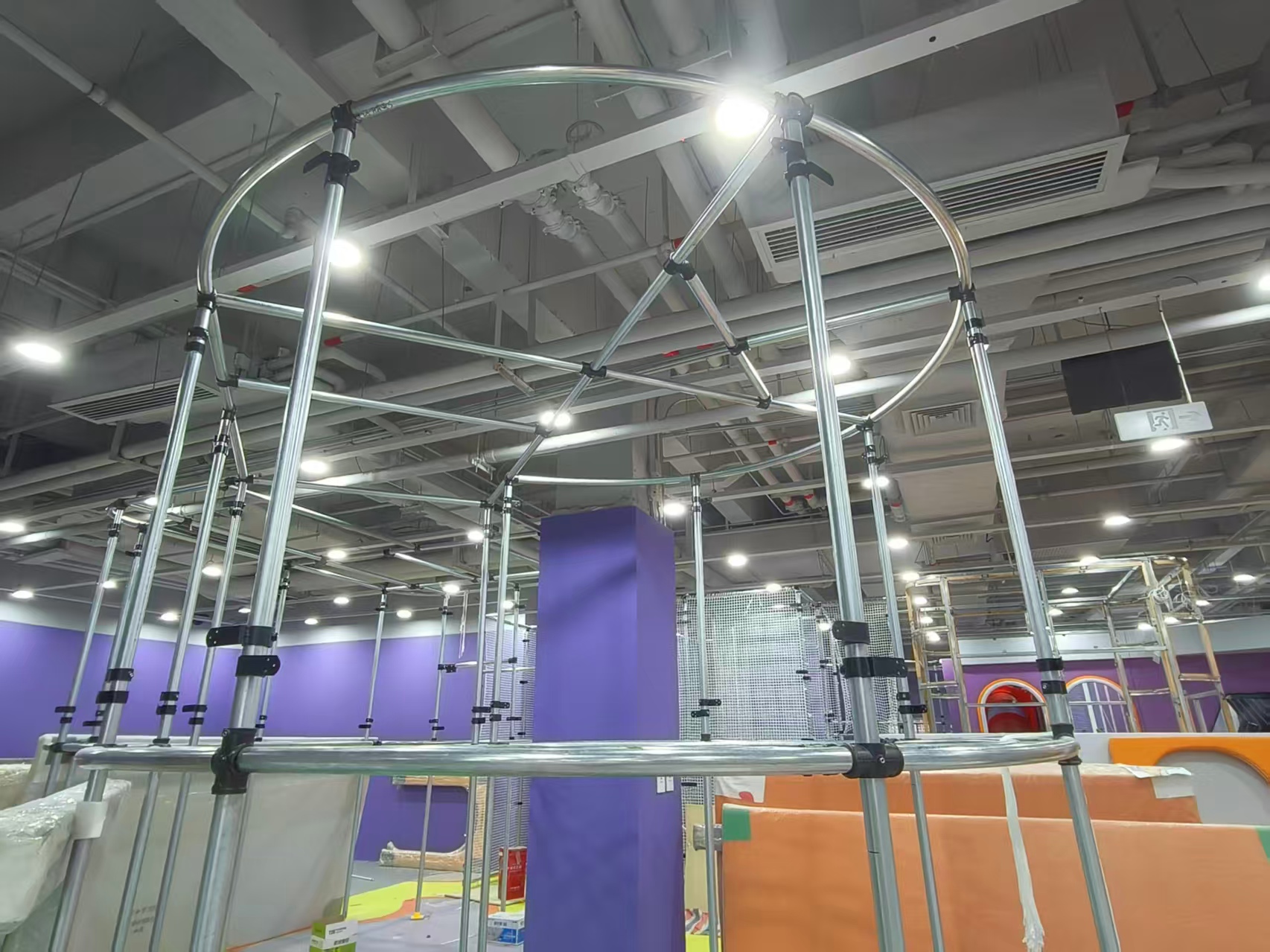
Thin steel pipes & low-density foam
Weak welding, unstable platforms
No ASTM F1487 / EN1176 structural compliance
No SGS-verified material testing
Unsafe fall heights and entrapment risks
Poor installation quality
High maintenance costs in the first 6–12 months
The result?
Equipment fails early, accidents happen, and the business reputation collapses.
Commercial playgrounds must be designed and manufactured under ASTM F1487 or EN1176 structural safety standards—not just “nice looking.”
Many investors want to “serve all ages,” but this leads to diluted investment and poor ROI.
Are we serving toddlers, school-age kids, or all-age?
Do we focus on education, adventure, role play, sports, or themed experience?
Is the market high-end, mid-market, or community-based?
Each group requires different:
Space allocation
Equipment types
Ticket pricing
Staffing
Operating model
No positioning = no strategy = no profit.
Not every space is suitable for a profitable indoor playground.
Ceilings under 3.2 m (no mega slides or tall structures)
Irregular or fragmented spaces
Dense pillars blocking sightlines
Narrow entrances
Upper floors with weak visibility
Poor bathroom accessibility
Luckyplay evaluates every site’s CAD before design to assess space yield efficiency—a crucial metric most new investors don’t know exists.
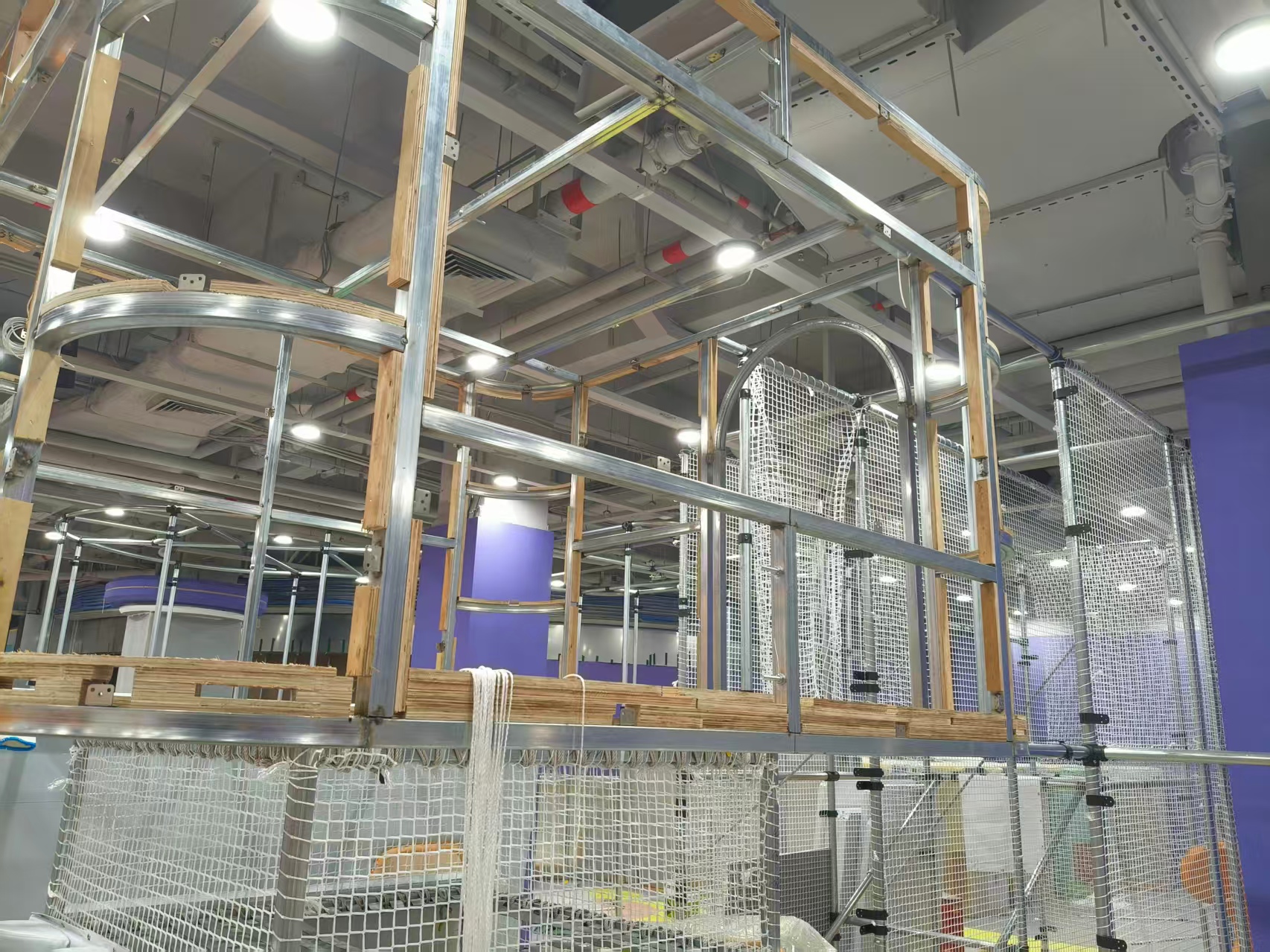
Many beginners confuse materials testing with structural safety certification.
ASTM F1487 – U.S. playground structural safety
EN1176 – European playground structural safety
SGS testing – material testing (PVC, foam, PP, rope, etc.)
ASTM/EN ensure:
Safe fall zone distances
No entrapment hazards
No shear/crush points
Proper impact absorption
Structural integrity under load
A supplier who cannot provide these reports is not qualified for commercial projects, especially in malls, franchises, and public zones.
Many investors assume:
“Kids will come automatically.”
Reality:
Traffic depends on location, population density, competition, and consumer habits.
Community playgrounds: 50–120 visitors/day
Mall playgrounds: 80–200 visitors/day
Large flagship parks: 200–500 visitors/day
ROI projections must be based on data, not emotion.
A playground is not just equipment—it is a business ecosystem.
The industry’s most profitable operators generate income from:
Birthday parties (30–40% of revenue)
Membership & annual passes
Special events & workshops
Parent-child classes
Café or F&B
Merchandising
Retail partnerships
Co-branding with education or toy brands
The playground floor itself is the traffic engine, not the entire business.
Some beginners make decisions based on “beautiful pictures” instead of engineered plans.
This leads to:
Inaccurate dimensions
Insufficient safety buffers
Wrong flow direction
Activities that do not fit the site
Inefficient use of space
Increased installation challenges
Luckyplay always requires CAD before contracting because design precision directly affects safety and ROI.
The fastest way to fail is to simply copy what another playground is doing.
Commercial success comes from:
Distinctive theming
Customer experience design
Clear brand messaging
Unique play value
Strong photo-worthy areas for social media
Emotional triggers for families
High-performing playgrounds are differentiated, not duplicated.
Luckyplay’s signature concepts—such as Grotesque Music Playground, Quantum Playground, Adventure Odyssey, and more—are designed specifically to give investors market uniqueness and higher pricing power.
The indoor playground industry is growing fast, but it rewards knowledgeable investors—not lucky ones.
Avoiding these 10 mistakes helps you:
Reduce risk
Improve ROI
Lower maintenance cost
Build a long-lasting business
Create a safe, innovative space families trust


